Exploring Person-Centered Care & Elder Support
May 1, 2026

Proper care must involve human connection, not the dismissal of it in favor of efficiency quotas and cold protocol. But if this is true, then why does institutional care so often feel routinely rigid and impersonal? Receiving professional care for health and age-related issues can be one of the scariest moments in a person's life, but that fear can be exacerbated when caretakers fail to connect on a human level.
This is precisely the intersection at which person-centered care is making an impact in residential nursing homes and other elder care facilities.
What are Person-Centered Care Services?
In a nutshell, the "person-centered" approach empowers a patient to play a central role in their own treatment. Where traditional healthcare puts physicians and care staff in charge of most or even all care-related decisions, the personalized care model encourages patients to collaborate with their treatment teams in developing the individualized care plans that work for them. This mindset shift allows care teams to more effectively integrate unique patient goals, beliefs, and lifestyle needs into treatment.
Key Principles of Person-Centered Care
Whole-Person Support
Whole-person support seeks a broader understanding of the individual as part of the foundation for treatment.
Choice & Autonomy
The patient or individual is to be respected when it comes to decisions over their own diet, leisure, etc.
Meaningful Relationships
Staff establishes a compassionate connection and demonstrates consistency. Treatment may nurture community ties and encourage the pursuit of personal purpose.
Individualized Care Plans
From the physical and emotional aspects of our being down to the way we participate in community, individualized care plans help care teams better address the unique needs of each individual.
What Does Personalized Elder Care Look Like?
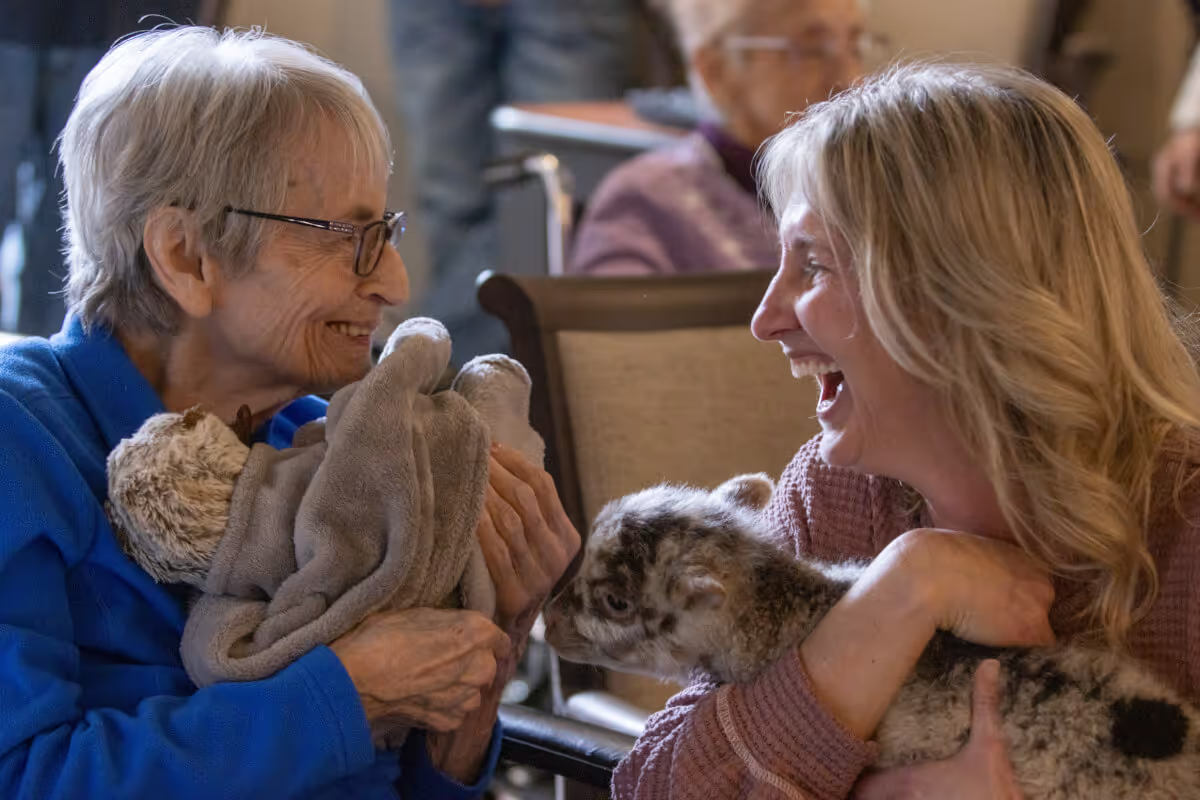
Senior citizens carry a lifetime's worth of wisdom, experience, habits, and personality quirks wherever they go. When that journey leads to a continuum of care facility like OESH, it is the elder support team's duty of care to consider individual traits and lifestyle factors like these — to honor a resident's life experience and take relevant information into account.
Person-centered support strategies play a critical role in establishing caretaker trust, aligning on resident lifestyle/health goals, and supporting a senior's ability to age with dignity.
In senior living and elder support facilities, this holistic treatment philosophy is also referred to as "resident-centered" care or treatment. Personalized elder care aims to place aging residents in positions of control over their own treatment and lifestyle decisions.
Explore our continuing care retirement community to see this approach in action.
Personalized Elder Care & The Eden Alternative
In 1994, a geriatrician named Bill Thomas secured funding to launch a revolutionary project inside a single solitary nursing home. This is how The Eden Alternative began. Fast forward a few decades to the present though, and this model for care has scaled across the globe. Today, the principles of The Eden Alternative have been integrated into care facilities across at least 22 countries.
How Our Approach Compares to the Eden Alternative
At The Ohio Eastern Star Home, we actively prioritize most, if not all, of the same principles on a day-to-day basis. From proactively combatting resident loneliness and isolation to championing the personal agency and independence of our Elders, OESH staff is trained to embrace a holistic and resident-centered care model.
While not formally part of the Eden Alternative, our approach reflects many of the same principles as we strive to promote dignity, individual autonomy, and a sense of purpose inside our Elder community.
What Does Resident-Centered Care Actually Look Like?
So, how does this all come together in real life? In many ways, a day in the life of an elder receiving this care will look quite similar to any other functional adult. The added safety net of living in a continuum of care facility just gives residents access to skilled nursing, assisted living services, etc. at the level and to the extent they should need, either now or in the future.
But okay... let's say we know a resident is diabetic and she chooses to eat a cheeseburger with her friends at The Pine Hill Bistro. Resident-centered care means it is not a care team member's place to step in and give her a salad instead. And should another resident, for instance, enjoy snoozing past noon, a care team member with a person-first focus won't come knocking in the AM, but they might grab her a sleep mask the night before!
If any of this sounds cavalier or irresponsible, just remove age from it for a moment. Consider how any other adult acquaintance would feel having that degree of control asserted over their lunch order or sleep schedule. Unfortunately, stereotypes about seniors pop up constantly across our culture.
When people and institutions automatically stamp seniors with certain assumptions — it could be a lack of physical vitality, mental acuity, relational awareness, etc. — it isn't hard to understand why so many aging adults fear residential living solutions. To put it bluntly, seniors see a society that infantilizes the aged, discards their wisdom, and disregards the depth of their human experience.
Who can blame an aging person for wanting zero part of that?
In reality, the vast majority of senior citizens remain fully capable of weighing their own risk and reward balance well into their golden years. Our person-centered support model guides care staff to respect this fact, because to deny it would be to shut down a significant aspect of what makes each individual Elder who they are.
Why Families Choose Person-Centered Care
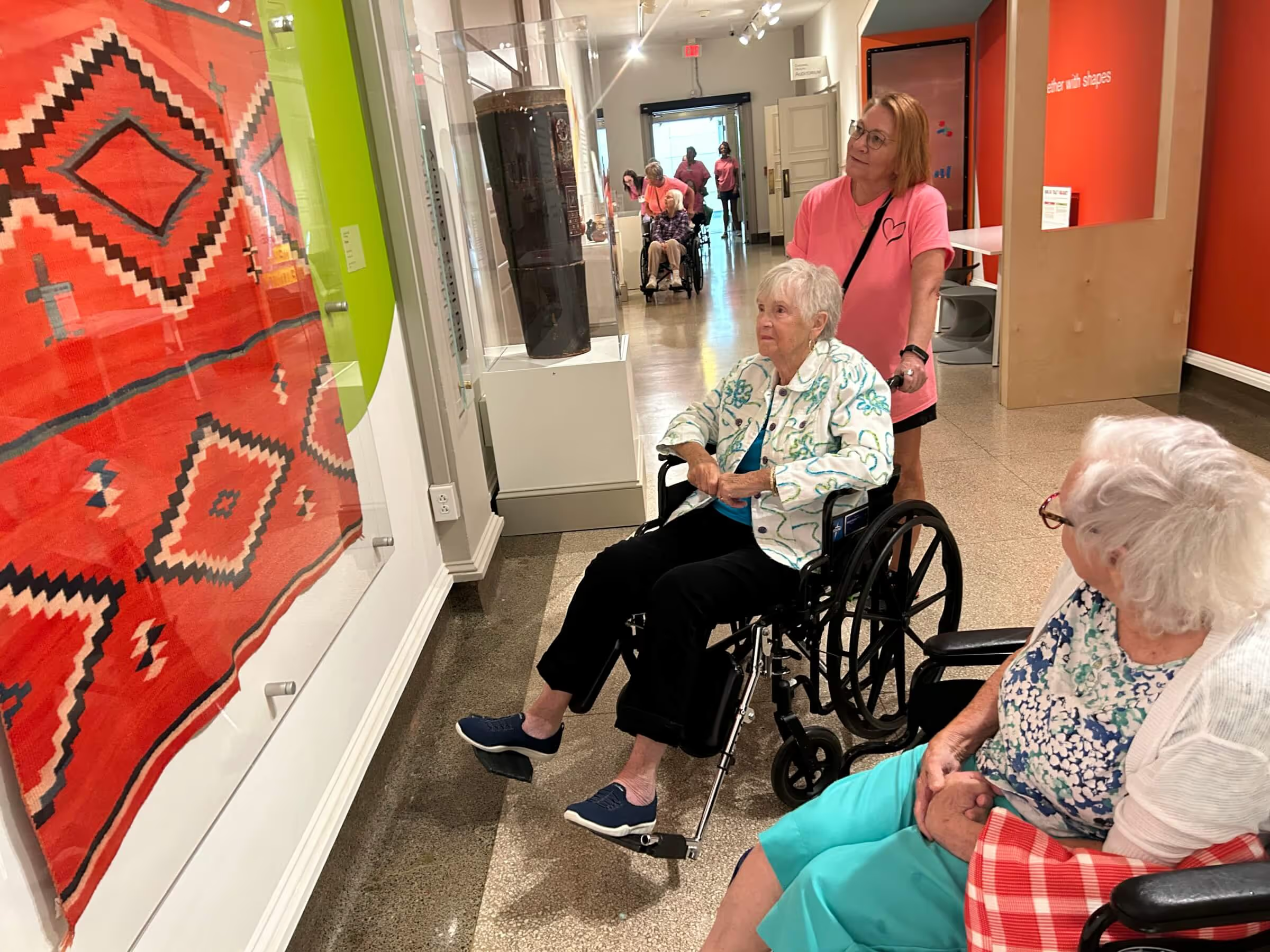
Quality care is a valuable thing. So is peace of mind.
Families get to rest easy when they know a loved one is receiving compassionate care that supports not only their biological wellbeing, but also their personal joy and fulfillment. Through this lens, it becomes all the more clear that nurturing dignity and happiness leads to a higher quality of life for residents as well as the ones who love them.
How to Choose a Nursing Home That Prioritizes Person-Centered Care
Choosing a care home is a big decision for seniors and their families. If you or a loved one is interested in person-centered care, make sure to do your homework. Interviewing and touring different senior living facilities will give you opportunity to collect important data. Here are a few questions to ask:
- Do residents receive individualized care plans?
- What do you notice about how staff interact with residents and vice-versa?
- What rules (if any) exist around daily routines?
- Hod does staff handle individual preferences (meals, activities, etc.)?
Ready to See It in Action?
Resident-centered care is more than a talking point; it’s a holistic treatment philosophy.
At The Ohio Eastern Star Home, our care teams strive to embody the values of this approach in how we connect, communicate, and of course... in how we show up to provide care for our residents.
Recent Articles