The Healing Power of Music Therapy for Older Adults
November 16, 2026

Music has a remarkable way of bringing people together, stirring memories, lifting spirits, and touching the heart. A familiar melody can transport us back to a special time in our lives, remind us of someone we love, or bring a smile to our faces when we need it most. For older adults, music can be much more than entertainment. As a therapeutic tool, music can represent a meaningful part of overall well-being and quality care.
Music Therapy vs. Music Activities
While the terms are sometimes used interchangeably, music therapy and recreational music programs are not exactly the same.
Music therapy is a clinical service provided by a qualified music therapist who uses music-based interventions to address individualized goals, such as emotional expression, communication, coping, or participation.
Music activities include sing-alongs, live performances, musical games, listening sessions, and group entertainment. These activities can also offer valuable social and emotional benefits, even when they are not part of a formal therapy program.
Both approaches can contribute to quality of life in senior care. The key is to make music accessible, enjoyable, and appropriate for each resident.
5 Advantages of Music Therapy for Older Adults

At The Ohio Eastern Star Home, creating opportunities for residents to enjoy music, share memories, and connect with others is one way to enrich daily life and support a vibrant community.
Music Connects Us to Our Histories
Have you ever heard a song from your younger years and suddenly remembered your first dance, a high school sweetheart, or a favorite family gathering? Music can unlock memories that might otherwise remain tucked away.
For seniors, familiar songs can evoke powerful feelings and help preserve a sense of identity. Even individuals living with dementia may respond to music they recognize, sometimes singing along, tapping their feet, or showing expressions of joy when other forms of communication become challenging.
Music offers a beautiful reminder that a person's life experiences, personality, and emotions remain important at every stage of life.
Music Lifts Spirits and Supports Emotional Well-Being
Music has the ability to change the atmosphere of a room. An upbeat tune can encourage movement and laughter, while a gentle melody can create a sense of calm and comfort.
In senior care, music is a tool that helps
- Encourage positive emotions
Favorite songs can bring joy, laughter, and a welcome boost to the day. - Reduce feelings of loneliness
Singing, listening, or participating in a music program provides opportunities for connection. - Offer comfort during stressful moments
Calming music may help some residents feel more relaxed and secure. - Create meaningful experiences
Music gives residents opportunities to express themselves and enjoy moments that feel familiar and rewarding.
Every person responds to music differently, which is why personal preferences matter. A favorite country song, a beloved hymn, a big-band classic, or a lively rock-and-roll tune may each hold special meaning for an individual.

Music Encourages Movement and Engagement
Music can inspire people to move in ways that feel natural and enjoyable. Clapping along to a rhythm, tapping toes, swaying in a chair, or participating in a sing-along can encourage physical activity suited to a person's abilities.
Musical activities can also stimulate attention and participation. Remembering lyrics, following a beat, playing a simple instrument, or recognizing a familiar tune gives a resident the opportunity to engage their mind and body.
Crucially, these activities can be adapted for different mobility levels and cognitive abilities, allowing more residents to participate comfortably.
Music Gets Us Out of Our Heads
Music offers a special pathway to connection. This is especially true for individuals living with Alzheimer's disease or other forms of dementia. Although dementia may affect memory, language, and the ability to communicate, familiar music can sometimes prompt singing, movement, emotional expression, or recognition.
A favorite song may encourage a resident to participate in a group activity or create a moment of connection with a family member or caregiver. Even when words are difficult to find, a shared melody can communicate warmth and understanding.
Caregivers can incorporate music into daily routines by playing favorite songs, singing together, or using gentle background music during appropriate activities. It is important to watch each person's response, since music that comforts one individual may overwhelm another.
Music Brings People Together
One of music's greatest gifts is its ability to create community. A live performance, an afternoon sing-along, or a jam session can bring residents, staff, families, and visitors together around a shared experience.
These moments encourage conversation, laughter, friendship, and a sense of belonging. Residents can share favorite songs from their past, introduce younger generations to music they love, or simply sit back and enjoy the performance.
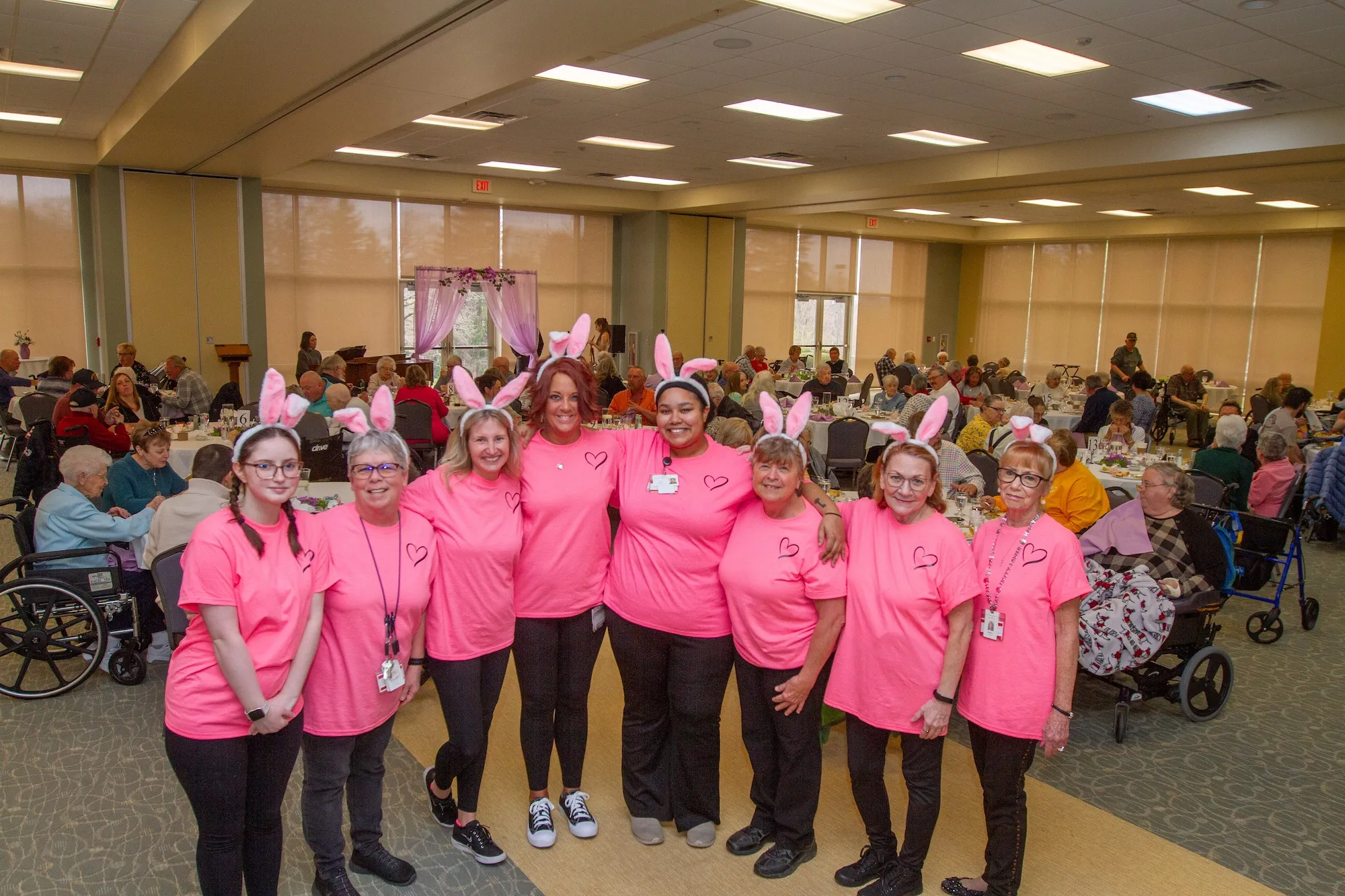
At The Ohio Eastern Star Home, musical entertainment and group activities help make everyday life more engaging and enjoyable. Whether residents are tapping their feet to a familiar tune, singing along with friends, or applauding a local musician, music creates opportunities to celebrate life together.
Making Music Part of Everyday Care
Music does not require a concert hall or a professional performance to make a difference. Sometimes, the most meaningful moments happen when a caregiver plays a resident's favorite song, a family member sings a familiar lullaby, or friends gather to enjoy music together.
A thoughtful approach begins with listening to the individual. What music did they enjoy growing up? Did they sing in a choir, play an instrument, dance, or attend concerts? These personal details can help caregivers and families choose music that feels familiar and meaningful.
The goal is not simply to fill the silence; music should aim to create opportunities for comfort, expression, engagement, and connection.
A Melody That Enriches Life
Prioritizing music therapy for seniors reminds us that wellbeing involves more than physical care. It also includes emotional comfort, meaningful relationships, personal identity, and opportunities to experience joy.
In senior living and long-term care, music can help brighten an ordinary afternoon, awaken a cherished memory, or create a shared moment that residents and families treasure.
Because sometimes, a song says what words cannot.
The Ohio Eastern Star Home — One Campus. One Community. Lifelong Peace of Mind.
At The Ohio Eastern Star Home, we believe that enriching life means caring for the whole person — mind, body, and spirit. Through music, fellowship, and engaging activities, we strive to make each day an opportunity for connection, discovery, and joy.
Recent Articles